Our Latest Articles
What a Louisville Home Inspector Can Tell You About Your Insulation
The Science of Comfort: How Heat Moves
To understand insulation, you first have to understand the enemy. Namely: heat flow. Heat is restless; it always moves from a warm area to a cold area until the temperatures equalize. This happens via three primary methods:
Conduction: This is heat moving through physical objects. Think of a metal spoon in a hot cup of coffee. The heat travels up the handle. In your home, this happens through wall studs and drywall.
Convection: This is heat traveling through liquids and gases. Because warm air is less dense, it rises. This is why your second floor often feels stifling in July while your basement stays cool.
Radiation: Radiant heat moves in a straight line and heats anything solid in its path. Sunlight hitting your roof and radiating that heat into your attic is the perfect example.
How Insulation Fights Back
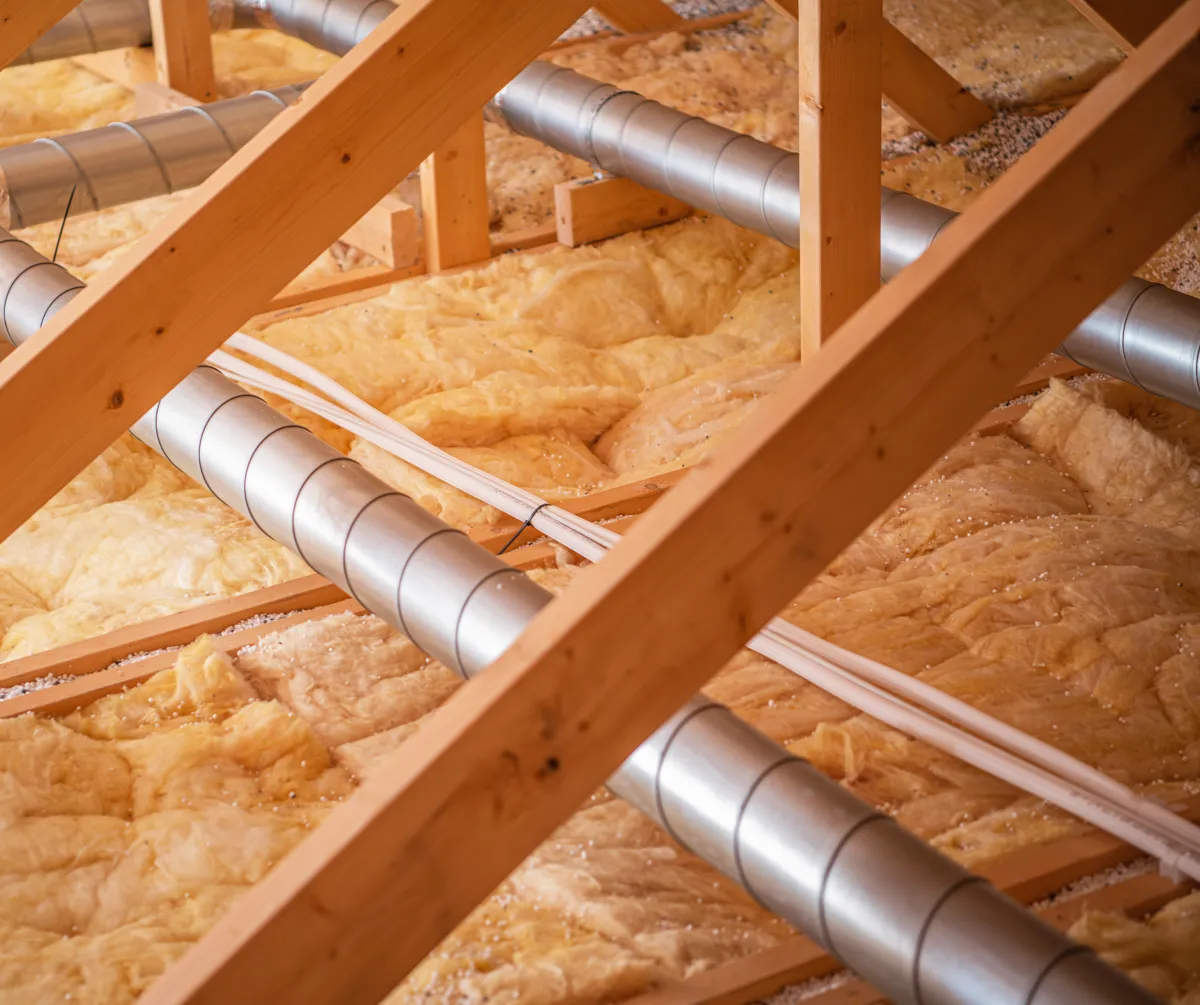
Most insulation materials, like fiberglass batts or blown-in cellulose, work by trapping tiny pockets of air. These pockets slow down conductive and convective heat flow.
In Louisville's climate, we also deal with significant sun exposure. This is where radiant barriers come in. These reflective systems are often installed in attics to "reflect" heat away from the living space. For these to work, however, they must face an open air space—otherwise, they just become another conductor!
Why This Matters for Your Louisville Home
In our region, your HVAC system is constantly fighting a two-front war:
The Winter Struggle: Heat escapes from your living room into unheated attics, garages, and basements.
The Summer Struggle: Blistering outdoor heat tries to force its way into your air-conditioned sanctuary.
Properly insulating your home provides "thermal resistance." It acts as a barrier that keeps the expensive air you just paid to heat or cool exactly where it belongs—inside.
What a Louisville Home Inspector Looks For
When I perform an inspection, I’m not just looking to see if there is "pink stuff" in the attic. I’m looking for:
R-Value: This is the measure of the insulation's ability to resist heat flow. Higher numbers mean better insulating power.
Gaps and Voids: Even the best insulation fails if there are "thermal bypasses" (gaps) around pipes or light fixtures.
Moisture Issues: In Kentucky’s humidity, wet insulation is useless insulation. It can also lead to mold and structural rot.
Pro Tip: If you can see your floor joists in the attic, you likely don't have enough insulation. For our zone, the Department of Energy generally recommends an R-value of R-49 to R-60 for attics.
Need a Professional Eye?
If you're concerned about your energy bills or are in the process of buying a property, a professional assessment is the best place to start. Schedule a conversation with me at osbornehomeinspector.com.




Newsletter
Subscribe to Osborne Home Inspections’s newsletter for the latest updates, tips, and insights into residential home inspections. Be the first to know about industry trends, expert advice, and exclusive offers to help you make informed property decisions.
© Copyright 2026. Osborne Home Inspections. All Rights Reserved.